Eden Richter · 8 October 2026
How Culinary Traditions Shape Attendee Engagement in Large-Scale Festive Gatherings
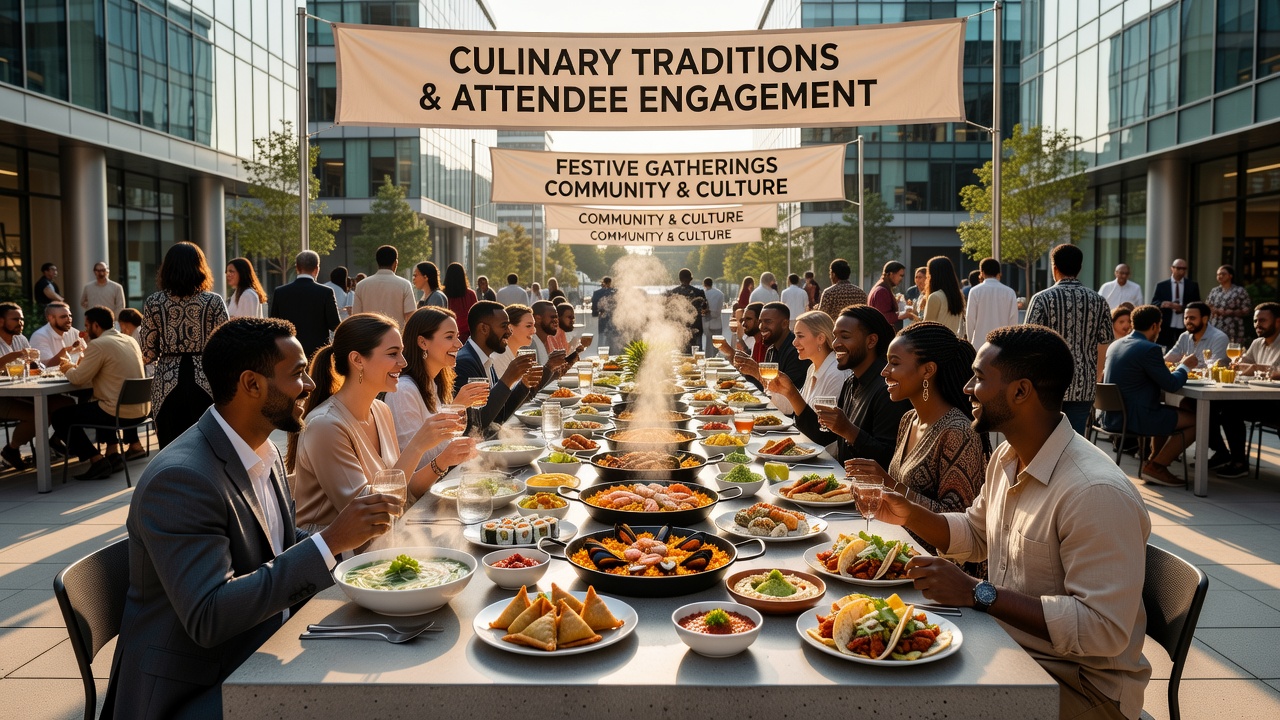
Festivals around the world rely on food traditions to draw crowds together and keep them involved throughout multi-day events, and researchers track these patterns through attendance logs, dwell times at food stations, and social media mentions tied to specific dishes. Culinary practices passed down through generations create focal points where people gather, share, and return repeatedly, which organizers measure via entry scans, vendor sales data, and exit surveys conducted at events like harvest fairs and cultural celebrations.
Historical Patterns in Food-Centered Gatherings
Communal meals have anchored large events for centuries because they align with seasonal cycles and regional ingredients that communities already recognize and expect, and records from European harvest festivals show increased participation when signature recipes appear on menus year after year. In North America, county fairs documented higher repeat visits once organizers added longstanding pie contests and barbecue competitions that reflect local agricultural output. Data collected across multiple decades indicates these traditions reduce drop-off rates between morning and evening sessions because attendees plan their schedules around meal times that carry cultural weight.
Regional Examples and Participation Metrics
Take the case of harvest events in Canada where poutine stations and maple-based desserts appear alongside modern concessions, and figures from Statistics Canada reveal that events featuring these items report longer average stays compared with those limited to generic fare. Similar patterns emerge at matsuri celebrations in Japan, where mochi-making demonstrations and street-food stalls encourage families to linger and participate in preparation activities rather than simply observe. Organizers note that when signature dishes require collective effort, such as shared grilling or table setup, attendee interaction scores rise measurably in post-event questionnaires.
Measurement Approaches Used by Event Planners
Planners collect quantitative indicators through ticket scans that log re-entry frequency near food zones, vendor transaction volumes tracked by time of day, and heat-map data from mobile apps that highlight congregation areas. Qualitative feedback arrives via on-site interviews that ask participants which elements prompted them to extend their visit or return the following day. One study released by the Smithsonian Center for Folklife and Cultural Heritage examined dozens of American festivals and found that culinary programming correlated with elevated social-media sharing rates, which in turn drove ticket sales for subsequent editions.
Influence on Diverse Demographics
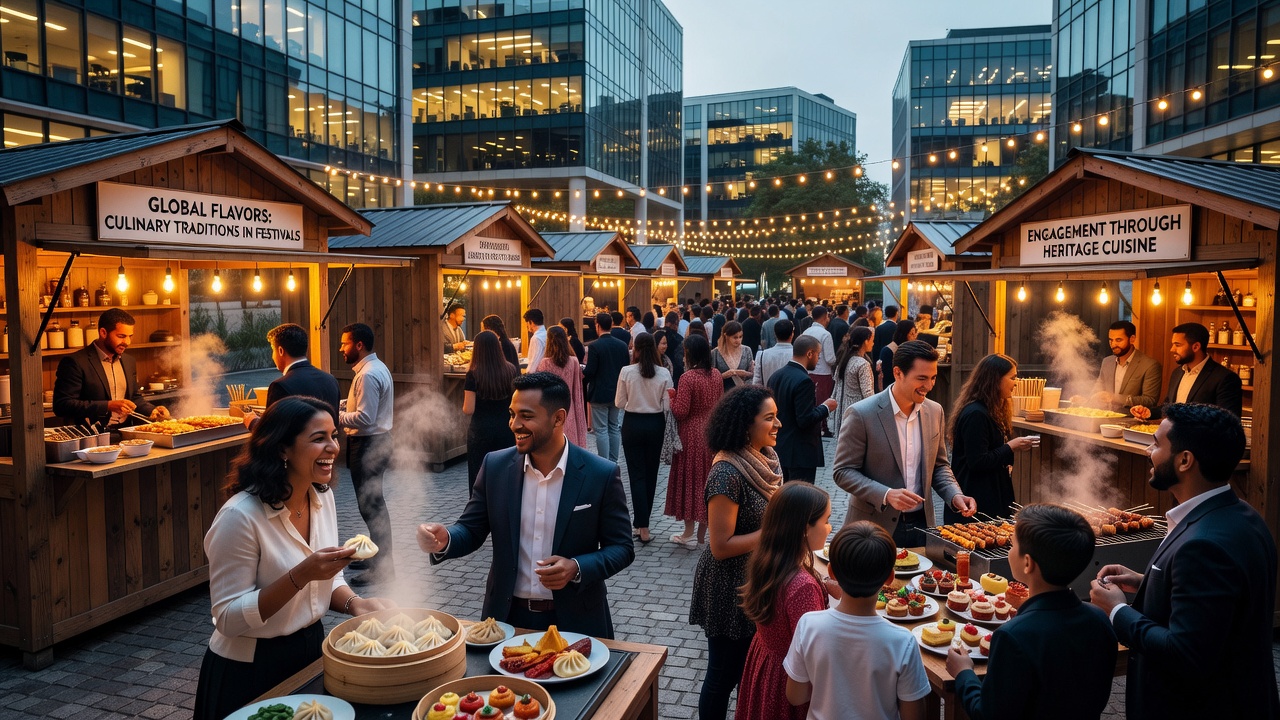
Events that incorporate multiple culinary traditions simultaneously attract broader age ranges and cultural backgrounds because the food itself serves as an accessible entry point for conversation and sampling. Researchers tracking festivals scheduled for October 2026 in several Australian cities report that indigenous ingredient showcases increased first-time attendance among younger urban residents while maintaining loyalty among older community members who recognize ancestral recipes. When vendors offer both traditional preparations and adapted versions that accommodate dietary restrictions, overall throughput at food lines improves without reducing perceived authenticity, according to operational reports from event logistics teams.
Adaptations in Contemporary Settings
Modern festivals integrate live cooking demonstrations, ingredient workshops, and tasting passports that turn passive consumption into active participation, and attendance records show these additions extend dwell time at culinary zones by measurable margins. Organizers adjust booth layouts so that preparation areas face outward, allowing spectators to observe techniques while queues move efficiently. Data from European cultural agencies indicate that festivals emphasizing regional protected-designation dishes experience steadier foot traffic across all hours because attendees time their arrivals around specific service windows tied to those traditions.
Conclusion
Culinary traditions function as structural elements within large festive gatherings by anchoring schedules, encouraging repeated interactions, and providing recognizable touchstones that different groups interpret in their own ways. Attendance figures, sales records, and survey responses consistently demonstrate that when events foreground these practices, participants remain engaged longer and return at higher rates. As festivals continue to evolve through 2026 and beyond, the documented role of food customs in shaping movement patterns and social exchanges remains a central factor in planning decisions across regions.