Rafael Jung · 22 October 2026
Synchronizing Vendor Supply Chains for Seamless Operations at Extended Outdoor Community Events
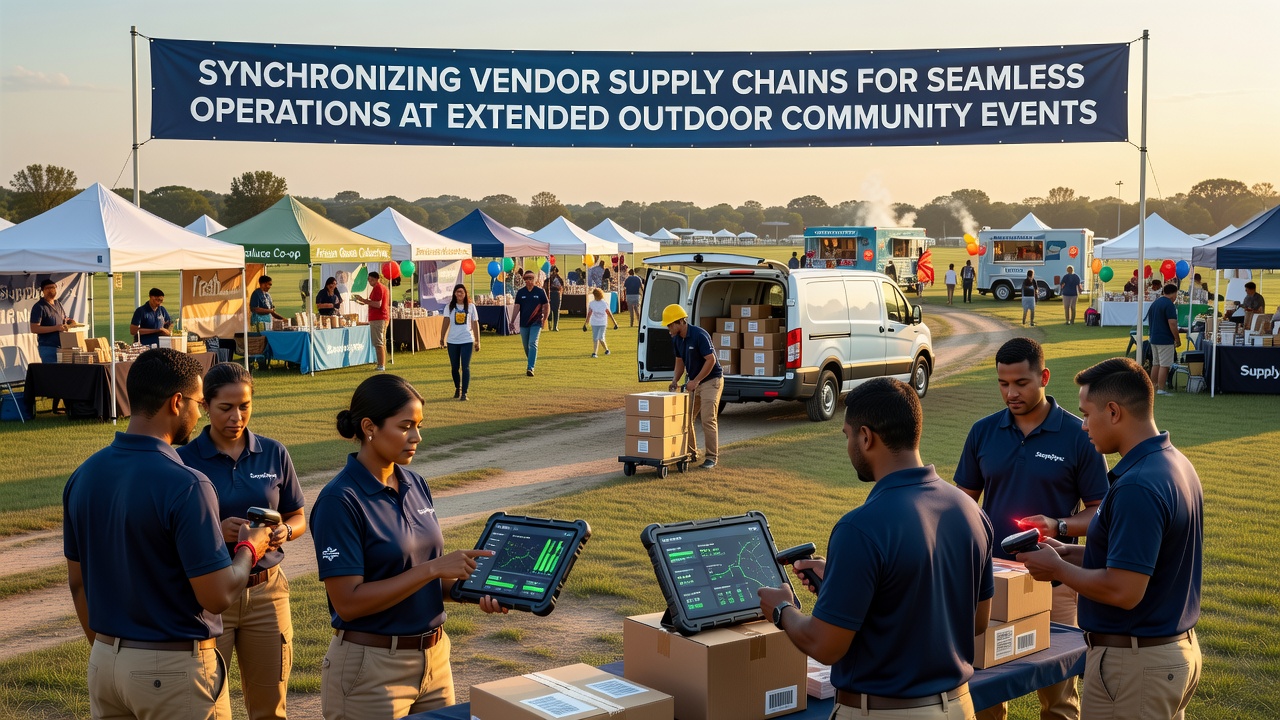
Extended outdoor community events demand precise coordination across multiple vendors who handle food, equipment, waste management, and security services, and supply chain synchronization becomes essential when events span several days or weeks in remote locations. Organizers rely on integrated planning tools that track inventory levels in real time while accounting for variables such as weather disruptions and fluctuating attendance numbers. Data from the International Festivals and Events Association shows that events exceeding three days in duration experience a 40 percent higher risk of supply shortages when vendor networks operate without shared digital platforms.
Core Elements of Vendor Network Coordination
Successful synchronization starts with centralized communication systems that connect suppliers, logistics providers, and on-site coordinators through cloud-based dashboards updated every few hours. These platforms allow teams to monitor delivery schedules, adjust routes based on road closures, and reroute perishable goods when temperatures spike unexpectedly. Researchers at event management programs have documented cases where festivals using unified tracking software reduced delivery delays by 35 percent compared with those relying on email chains and phone calls.
Inventory forecasting models incorporate historical attendance data alongside local weather forecasts to predict demand spikes for water, fuel, and medical supplies. Extended events in rural areas often face limited access to restocking points, which makes pre-positioned buffer stocks a standard practice. According to reports from the US Federal Emergency Management Agency, community gatherings that maintain at least 48 hours of critical supplies on hand experience fewer operational interruptions during peak periods.
Technology Integration Across Dispersed Sites
Radio frequency identification tags and GPS-enabled transport vehicles provide continuous visibility into the movement of goods from warehouses to festival grounds. Event planners combine these tools with automated reorder triggers that activate when stock levels drop below predefined thresholds. One study of regional music festivals found that teams using these combined systems maintained consistent vendor performance even when attendance exceeded projections by 20 percent.
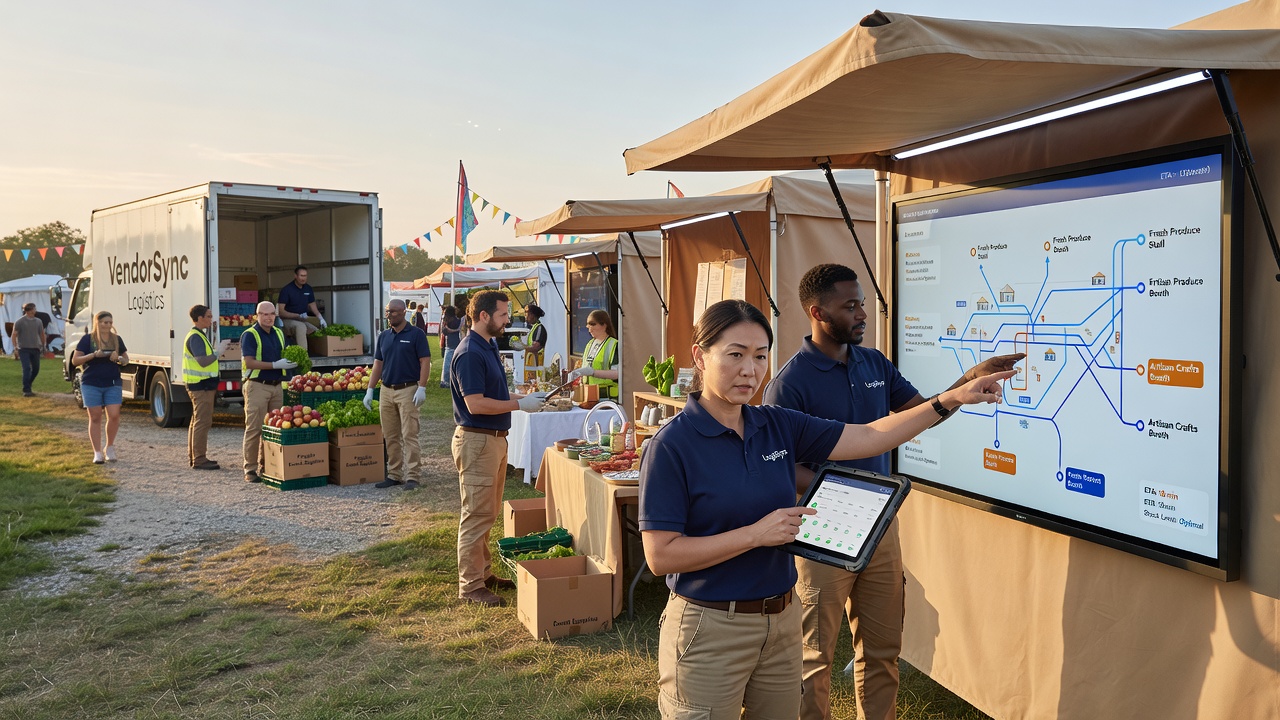
October 2026 brings several multi-day harvest festivals and cultural celebrations that have already begun mapping vendor routes and storage locations six months in advance. Planners for these events incorporate lessons from previous seasons, including adjustments for new highway construction projects and updated environmental regulations on fuel storage. Coordination meetings now include representatives from local emergency services who review supply routes for potential overlap with evacuation corridors.
Risk Mitigation and Contingency Frameworks
Weather-related delays remain one of the most common disruptions at outdoor venues, prompting organizers to establish backup suppliers located within 100 miles of each site. Contracts specify delivery windows with penalty clauses for late arrivals, yet many teams also maintain secondary agreements with regional distributors who can fulfill urgent orders within 12 hours. Data collected by Canadian event safety organizations indicates that events with formal backup supplier lists experience 28 percent fewer cancellations of vendor services.
Communication protocols extend beyond daily briefings to include shared incident reporting apps that flag issues such as spoiled inventory or blocked access roads. These systems allow all parties to see updates simultaneously, which shortens response times and prevents small delays from cascading into larger shortages. Teams that conduct joint tabletop exercises before the event opens report smoother operations once crowds arrive.
Measuring Performance Through Shared Metrics
Key performance indicators for synchronized supply chains include on-time delivery rates, waste reduction percentages, and vendor compliance scores compiled from daily logs. Event organizers review these metrics after each gathering to refine processes for future iterations. Reports from European festival networks highlight that continuous data sharing among vendors leads to measurable improvements in fuel efficiency and reduced packaging waste over multiple seasons.
Training programs for on-site staff emphasize rapid problem solving using the same dashboards that track shipments, which helps teams adapt when last-minute changes occur. Participants in these programs learn to interpret real-time alerts about traffic conditions or supplier capacity shifts without waiting for formal approvals.
Conclusion
Effective synchronization of vendor supply chains supports uninterrupted operations at extended outdoor community events by combining technology, pre-event planning, and shared performance standards. Events scheduled for October 2026 continue to adopt these approaches as attendance patterns and regulatory requirements evolve. Organizations that maintain transparent data flows and multiple supplier relationships position themselves to handle the variable demands that arise when thousands of participants gather over consecutive days in outdoor settings.