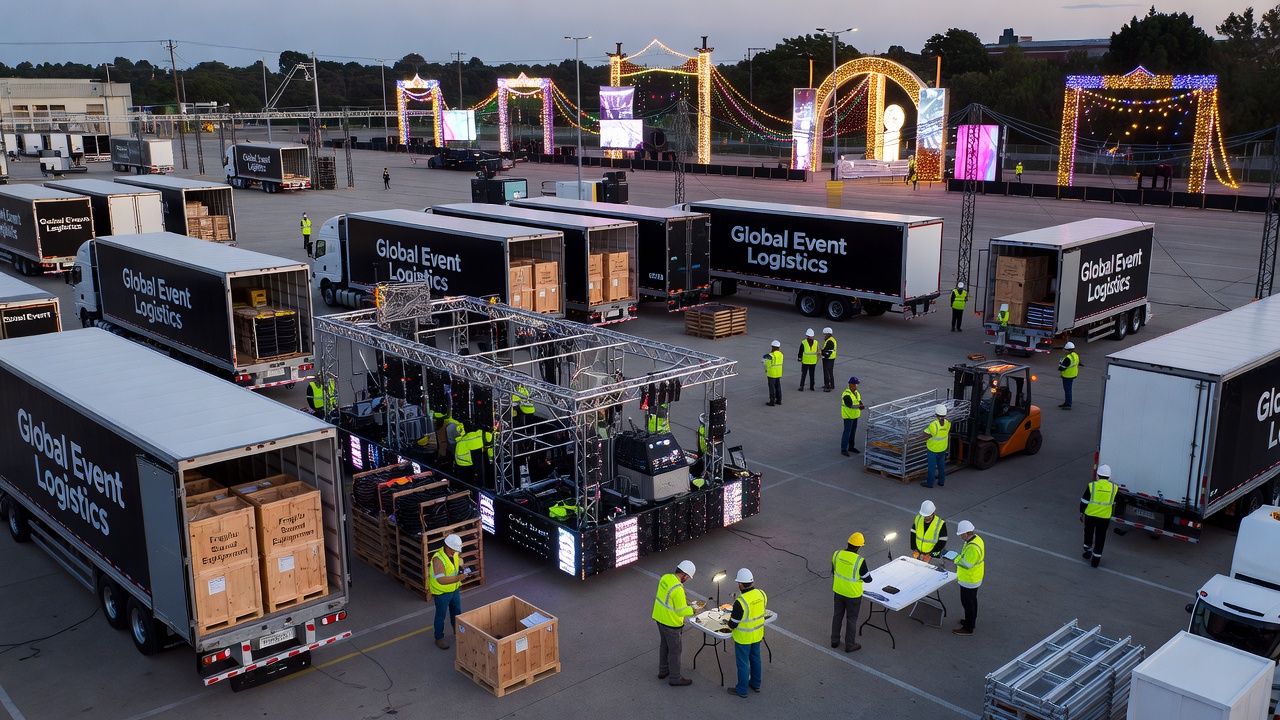
Clara Schmidt · 10 September 2026
Uncovering Hidden Logistics Networks Behind Massive Public Celebration Setups
Organizers of large public celebrations coordinate extensive logistics networks that coordinate transportation, vendor management, security protocols, and waste systems across multiple jurisdictions, and these systems operate through layered partnerships between government agencies, private contractors, and technology providers. Data from event planning associations shows that a single major festival can involve over 500 separate suppliers moving goods through timed delivery windows to avoid congestion at the site.
Core Components of Event Logistics Infrastructure
Transportation hubs form the backbone of these networks because they consolidate shipments from regional warehouses before routing them to temporary staging areas, while software platforms track real-time locations of vehicles carrying stage equipment, food supplies, and medical resources. Researchers at academic institutions have mapped how radio-frequency identification tags and GPS units create visibility across teh supply chain, allowing coordinators to reroute deliveries when traffic patterns shift during peak setup periods. And these same systems handle reverse logistics for post-event teardown, collecting reusable materials and directing them to recycling facilities or storage depots.
Technology Integration Across Global Event Sites
Artificial intelligence models now predict crowd movement and resource needs days in advance, drawing on historical attendance figures and weather data to adjust inventory levels at multiple points simultaneously. One study from a North American research center revealed that predictive algorithms reduced delivery delays by 22 percent during a multi-day outdoor celebration, while similar tools deployed in European venues have optimized energy distribution for temporary lighting and sound systems. Observers note that integration between municipal traffic systems and private logistics platforms creates seamless handoffs, yet gaps still appear when unexpected regulatory changes affect cross-border shipments of specialized equipment.
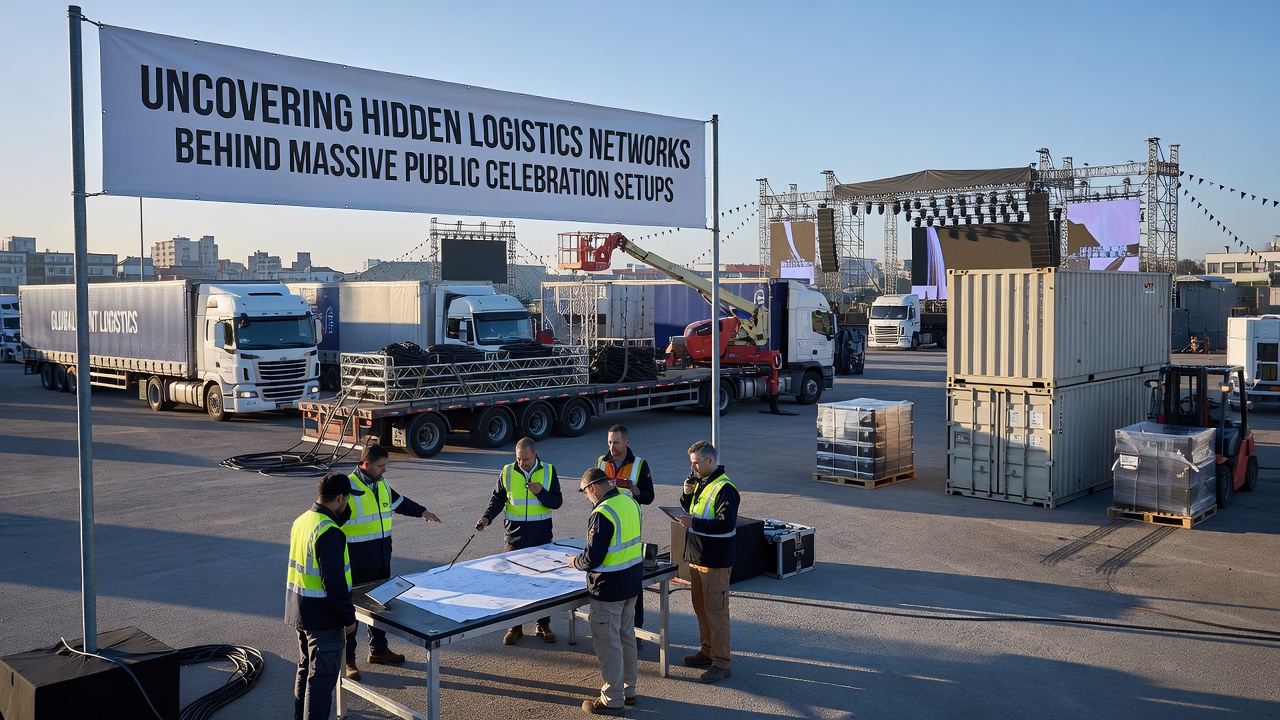
Security layers add another dimension because personnel and equipment must clear multiple checkpoints before entering restricted zones, and databases maintained by the International Festivals and Events Association document standardized protocols that combine physical barriers with digital access logs. These measures scale differently depending on whether the celebration occurs in urban centers with existing surveillance grids or in rural locations that require temporary command posts.
Regional Variations in Network Design
Countries implement distinct approaches to managing these hidden networks because regulatory environments shape how contractors share data and coordinate timelines. Australian event organizers, for example, rely on centralized permitting systems that bundle approvals for road closures, noise limits, and health inspections into single applications, according to reports from government statistical agencies. In contrast, Canadian provinces often distribute responsibilities across municipal and provincial bodies, which creates additional touchpoints for verification but also allows localized adjustments when community concerns arise about noise or traffic.
Preparations for celebrations scheduled in September 2026 already show increased emphasis on modular infrastructure that can be assembled and disassembled within tighter windows, driven by rising fuel costs and stricter emissions standards in multiple jurisdictions. Logistics firms have begun testing electric vehicle fleets for last-mile deliveries within event perimeters, and data collected during earlier pilot programs indicates these vehicles cut operational emissions while maintaining delivery schedules.
Coordination Challenges and Adaptive Strategies
Weather events, labor shortages, and sudden shifts in attendance projections test the resilience of these networks on short notice, and contingency plans stored in shared digital repositories allow teams to activate alternate suppliers within hours. Those who've studied past disruptions point to cases where early communication between freight operators and local authorities prevented cascading delays across the entire setup schedule. What's interesting is how these adaptations often remain invisible to the public even as they determine whether a celebration opens on time.
Industry reports compiled by trade groups in Asia-Pacific regions highlight growing reliance on blockchain ledgers to verify the provenance of perishable goods and high-value production elements, reducing disputes over damaged or delayed shipments. These records integrate with customs systems when international vendors participate, creating audit trails that satisfy multiple regulatory bodies without requiring repeated physical inspections.
Conclusion
Hidden logistics networks behind massive public celebrations continue to evolve through incremental improvements in tracking technology, regulatory harmonization, and cross-sector collaboration, and the patterns observed in current operations point toward even tighter integration ahead of major gatherings in September 2026. Figures released by research institutions show steady gains in efficiency metrics across transportation, inventory control, and waste management, while the underlying coordination frameworks remain largely unseen by attendees who experience only the final assembled result.